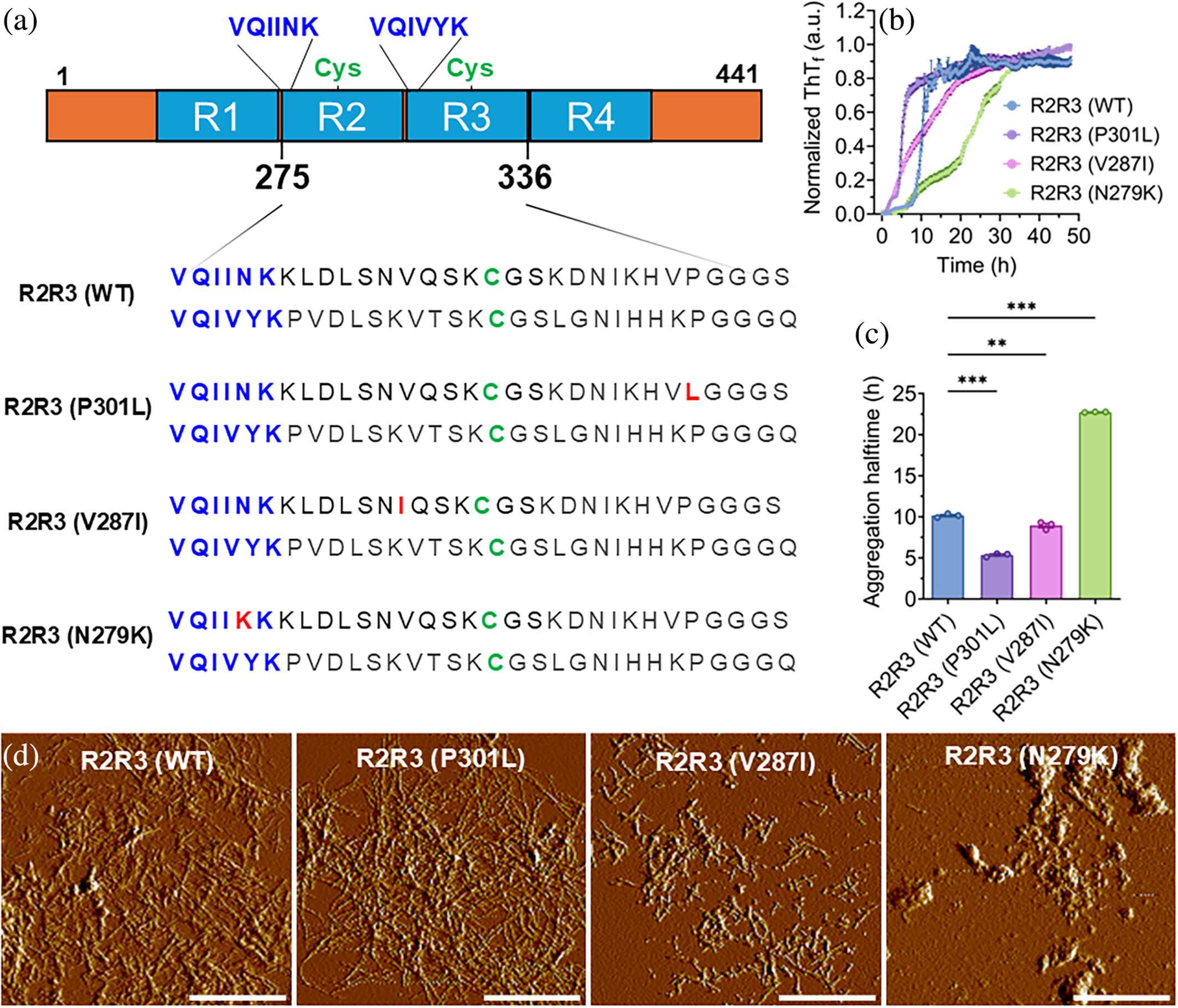
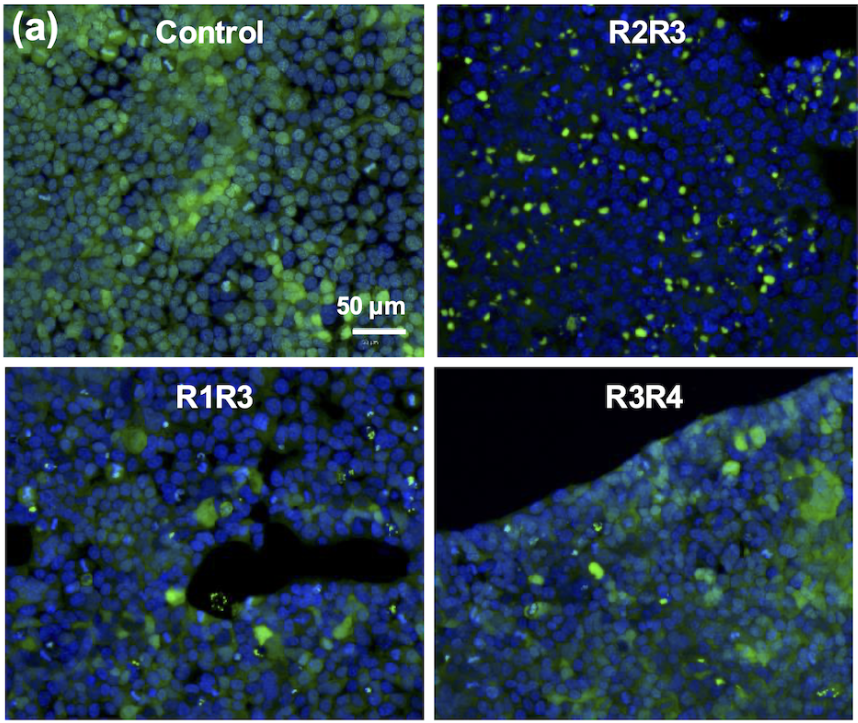
Our group, Translational Disease Models and Neurodegeneration, investigates the molecular and cellular mechanisms that drive neurodegenerative diseases, including Parkinson’s disease, Alzheimer’s disease, and frontotemporal dementias. We study how disease-associated proteins misfold, aggregate, and spread, and how these events contribute to neuronal dysfunction and disease progression.
We aim to identify strategies that can slow or prevent these pathological processes. Our work encompasses peptide- and small–molecule–based approaches, as well as emerging technologies such as targeted protein degradation, with a focus on modulating protein aggregation, neuroinflammatory signaling, and other mechanisms central to neurodegeneration. A major emphasis is placed on linking mechanistic insights to translational applications through the development of biomarker platforms that can detect early molecular changes and support therapeutic evaluation.
We use a diverse set of experimental systems, including iPSC-derived neurons, 3D neural cultures, organoids, microfluidic co-culture platforms, and established rodent models. Together, these complementary approaches enable us to construct a comprehensive understanding of disease mechanisms and contribute to the development of effective diagnostic tools and disease-modifying therapies.